Too much, too fast
If you have ever worked in a large organisation, this might feel familiar: a new system rollout here, an org restructure there, a leadership reshuffle, maybe an acquisition, and all landing within weeks of each other. Each one comes with a flurry of emails, town halls, toolkits, calls and social posts. All asking employees to do or think something different.
At Papillo, we call this the Human Bandwidth Problem. People simply run out of capacity to process that amount of change. One senior comms leader in our research put it perfectly: “Change today is everything, everywhere, all at once.” And with so many people already reporting that the pace of change has accelerated, it is no surprise that everyone feels overloaded.
In real terms, that means people are not ignoring what is being asked of them because they do not care. They are ignoring it because they are trying to keep their heads above water.
From the comms team’s perspective, if everyone is shouting at once, then nothing lands. When nothing lands, nothing changes.
So what do you do?
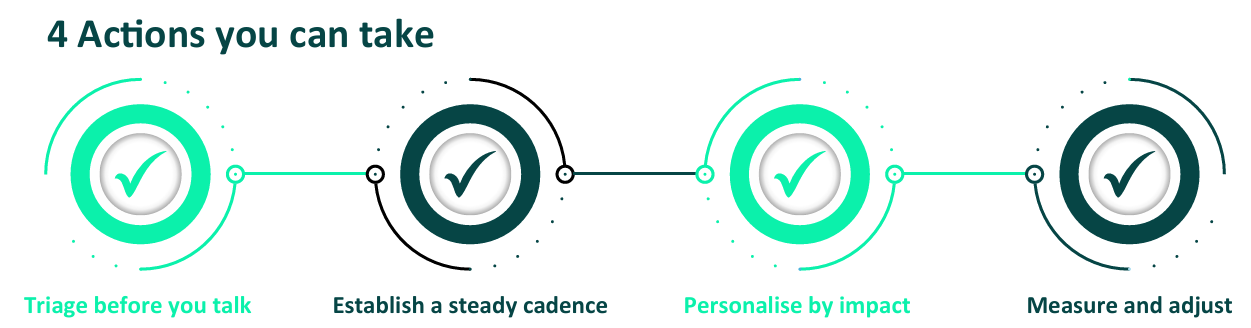
You triage. You ask, “Does this need to go out now? Is this the right time for this message? What else is landing in people’s inboxes this week?” And if the answer is “Too much,” you wait. Or you simplify. Or you piggyback on something already planned.
You keep a steady cadence. No more peaks and troughs. Just consistent, clear, useful updates that help people feel in control.
You personalise by impact. That new system might be a headline for the finance team, but a footnote for sales. On the other hand, the org restructure might be massive for HR but limited in impact for Operations. Match the message to the audience and keep it tight.
And you measure and adjust. If your audience starts zoning out, do not blame them. Check the volume, check the timing and adapt. In real terms, if you launch a new automated HR system, you probably have a comms plan aligned to the rollout of that system. However, if all you measure is the usual comms metrics, normally how many people read, listened or attended, it is hard to know whether you should move on until you check if the system is actually being used.
If it’s not, circle back, reengage and do not allow the comms to move on until you have seen the new behaviours embedded. If other campaigns and initiatives need to take a back seat while that happens, that’s ok.
We have seen teams make real progress by doing less, but doing it more deliberately. When comms become a filter, focused on enabling the new behaviours required for the change to succeed, people can make sense of what is changing and what they are supposed to do about it.